01 / The start
The issue originated from an electrician
Simplewire began with a conversation. Peter Tune, Co-founder of Simplewire, worked as a consultant when his then-manager came by with a frustration he had been dealing with for many years.
He was a former electrician, had run his own electrical contracting business, and knew the problem firsthand: electrical installations were becoming difficult to navigate when labelling and reality no longer aligned. He had seen it repeat itself from project to project. The question was simple: couldn’t it be done better?
02 / The meeting
When industry experience met engineering tools
On one side was an electrical contractor familiar with the problem. On the other were Peter Tune and Dennis True, both Co-founders of Simplewire and electrical engineers with the tools to investigate a new solution.
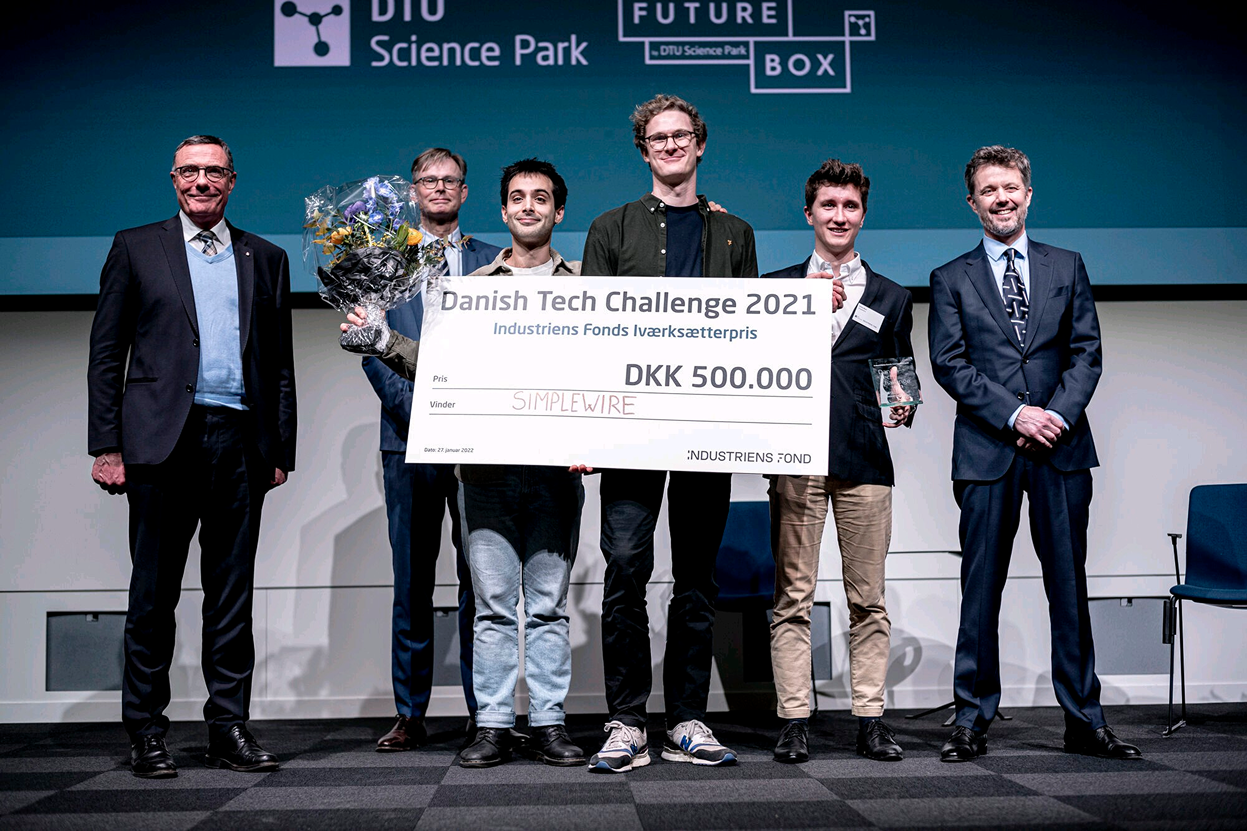
They did not know what the solution would look like, but they could see that the problem was real. With support from Industriens Fond, the question became a serious development project for the electrical industry.
The support enabled a move from the idea that the problem could be solved better to actually building and testing a new solution.
05 / Customer reality
Reality proved its worth
When the first prototypes were released to customers, the electrical panels proved larger, more complex and less predictable than in the laboratory.
Customers used the solution in ways the team had not anticipated. Several visits ended back at the drawing board, but each error showed more precisely what Simplewire needed to be able to do in a real installation.
Development case: Tican
Tican raised the bar for Simplewire
At Tican in Thisted, the technology was tested in a slaughterhouse with many circuit breakers, close panel wiring and daily washing. Here, cable ID needed to withstand operation, maintenance and physical wear.
The collaboration proved to be a pivotal development: the solution needed to function reliably in testing and remain robust and clear in a demanding industrial environment.
Situation
A heavily loaded electrical panel environment
When a fuse trips at Tican, the task begins with locating the correct one from among 3000 fuses.
Challenge
When labelling alone is insufficient
Daily grime and harsh environments mean that physical labelling does not always survive where the electrician needs it.
Learning
The product must be readable in the correct electrical panel
Simplewire needed to function close to cables, fuses and components where space is limited and the installation is already live.
Product orientation
From clarification to a clear overview
Core’s need was particularly highlighted by the requirement for fast, digital labelling and overview in electrical panels with numerous connections and operational demands.
06 / Today
Products today
The story evolved into two product paths for practical cable ID
Some installations require a permanent solution within the electrical panel. Other tasks demand a mobile tool that the electrician can take to service, troubleshooting, and existing installations.
Mobile tool
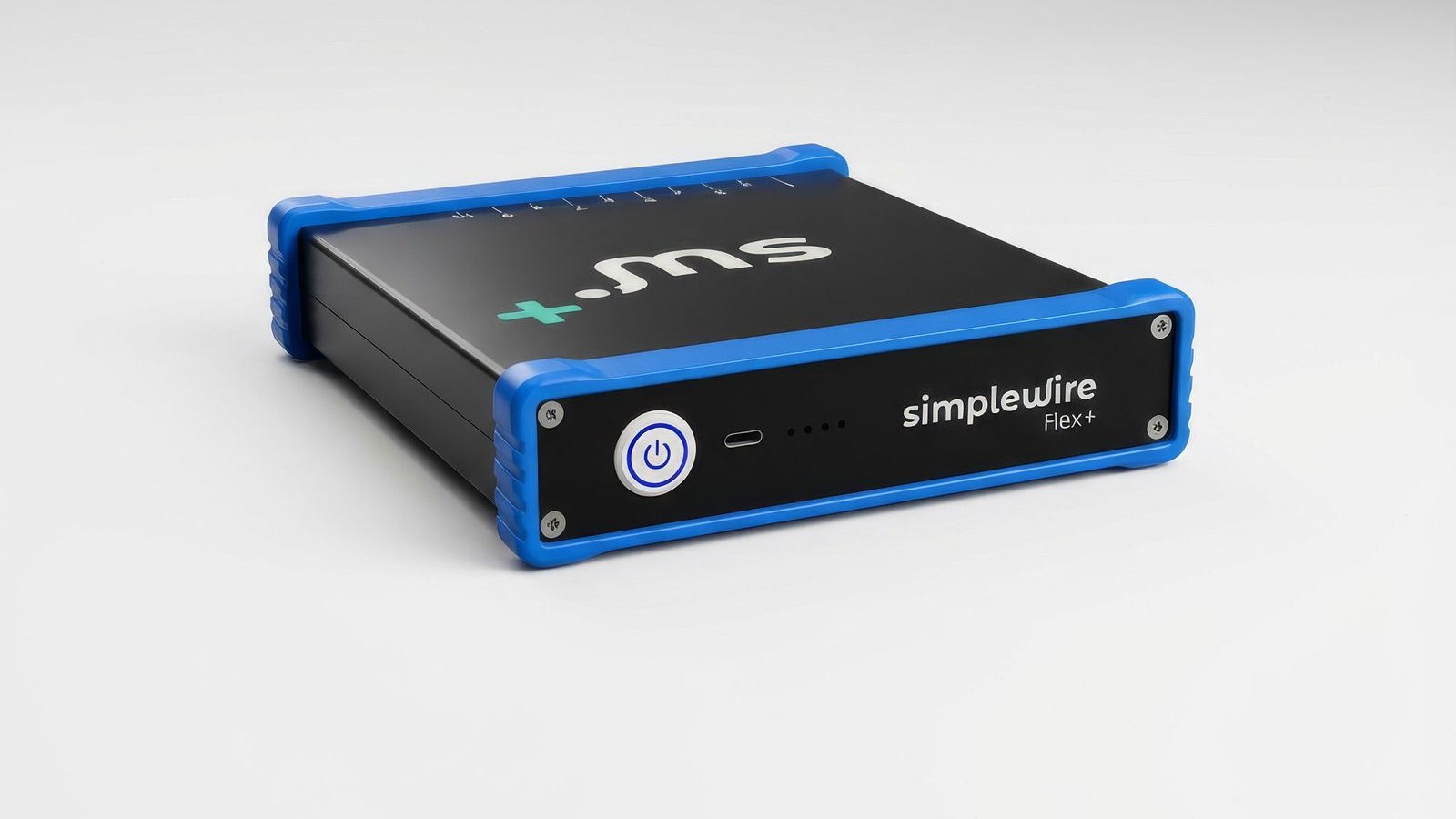
Flex+
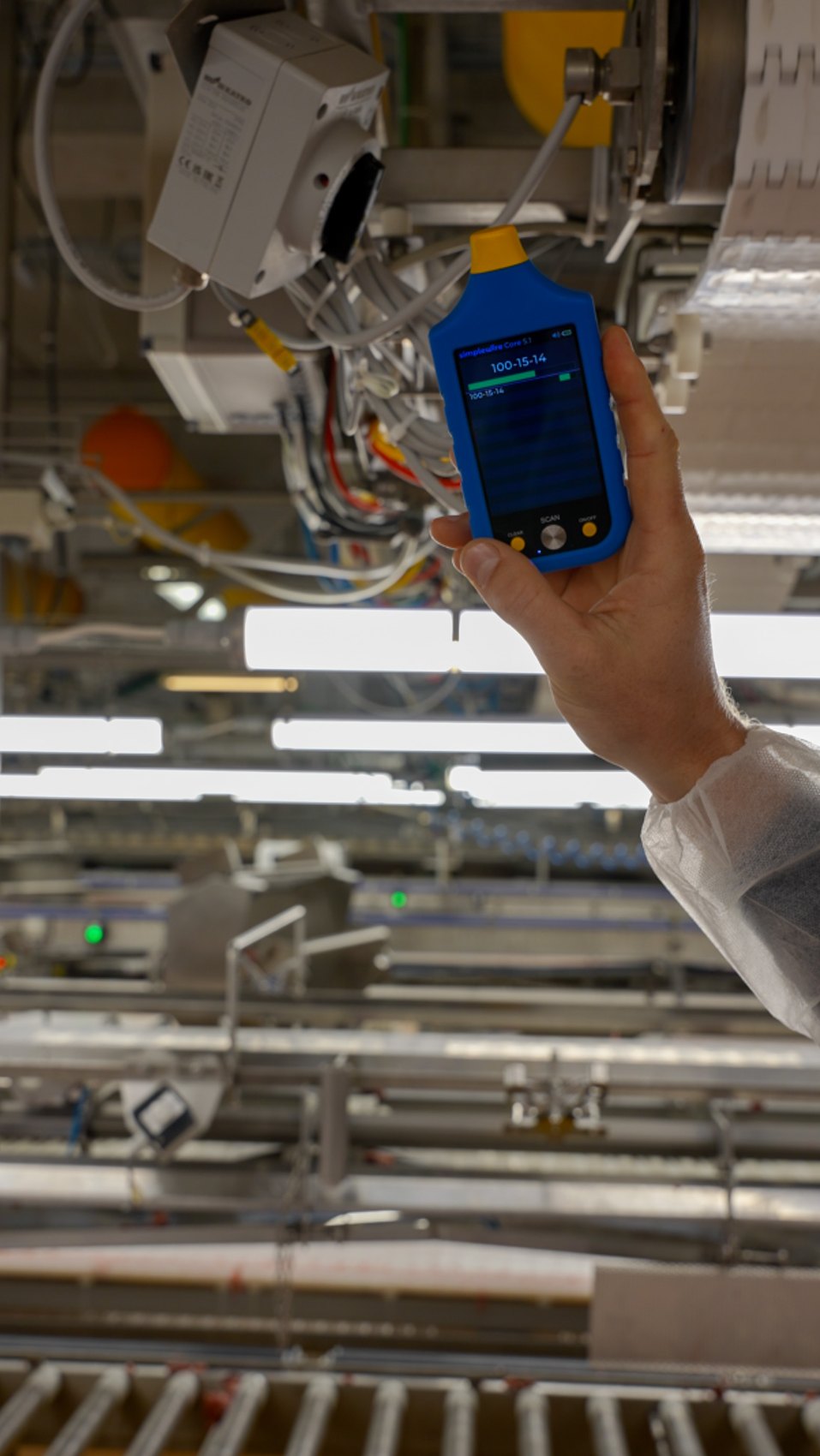
The mobile tool for electricians who need to find, trace, and identify cables in practice, even in existing installations.
When the task is mobile, concrete, and needs to be resolved directly at the installation.
Permanent solution
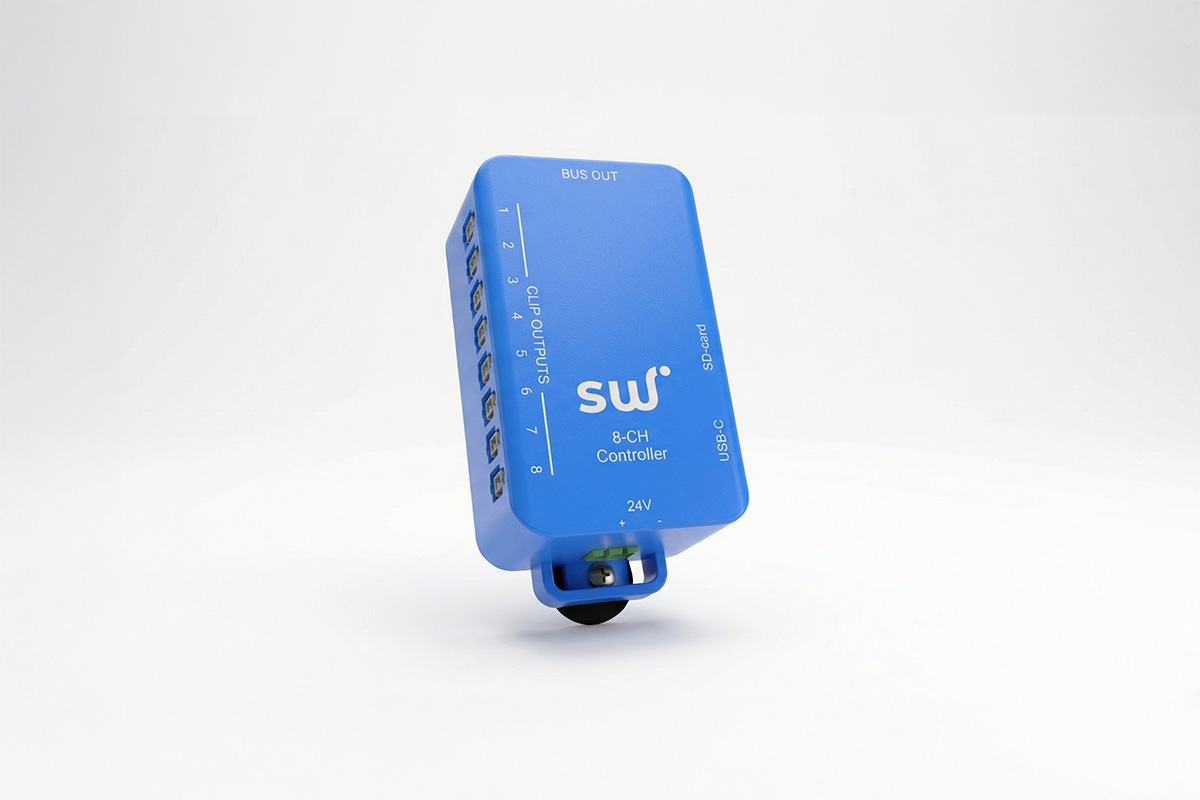
Core
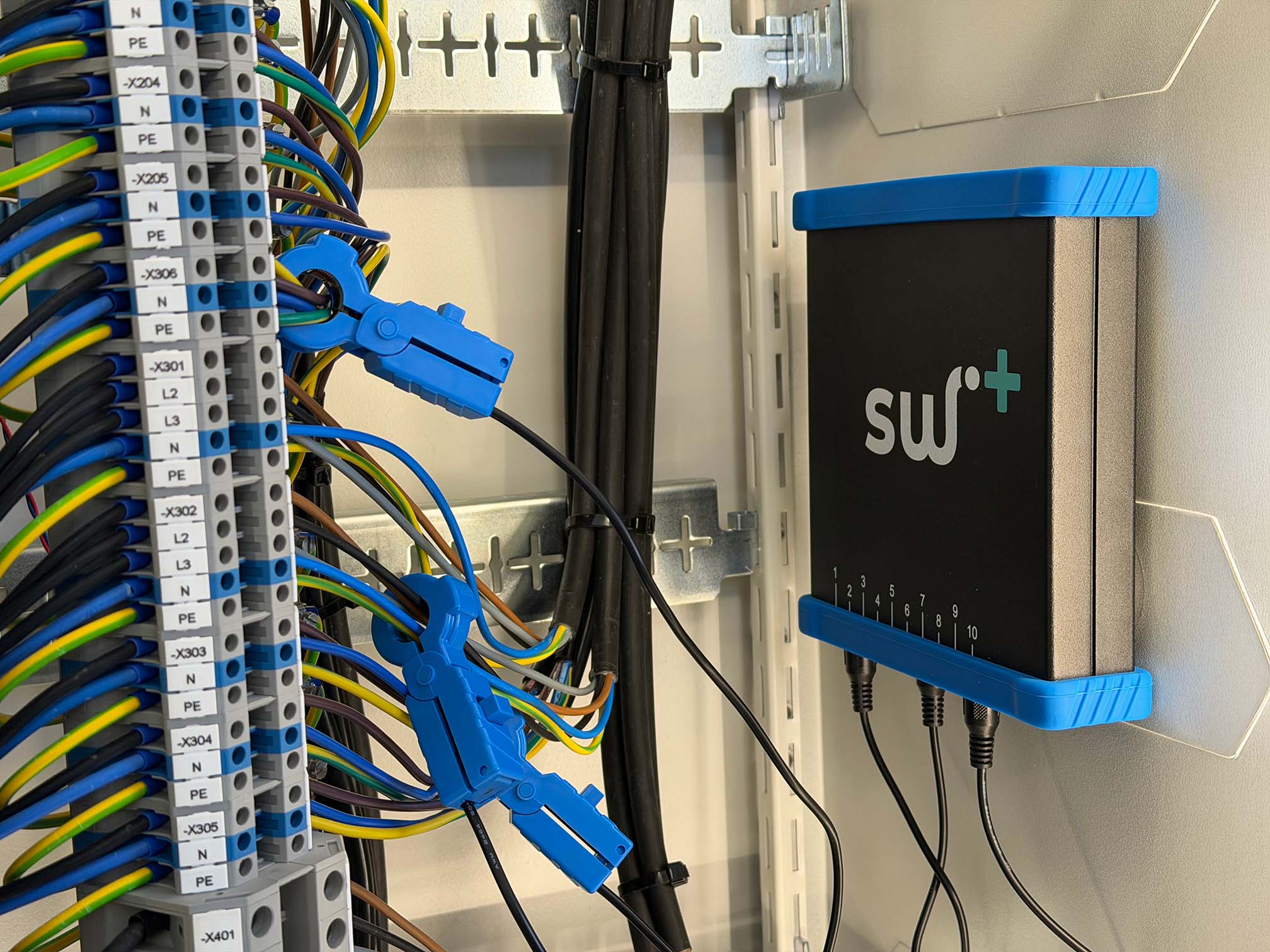
The permanent solution for electrical panels and installations where overview, operation, and documentation are crucial.
When digital labelling needs to be a permanent part of the electrical panel.